The Art of Making the Gift Opening Experience Special and Memorable
We’ve all been there. The festive gathering, the forced smiles, the flurry of wrapped boxes, and the collective sound of rustling paper that somehow feels… underwhelming. In our modern hustle, we often focus so intensely on the acquisition—the perfect gift itself—that we forget the magic happens in the moment of reception. A great present is a catalyst, not the destination. The real joy isn't found when the wrapping comes off; it’s in the atmosphere that surrounds that "Aha!" moment.
If you ever felt like giving gifts was just an obligation on a calendar, consider this your permission slip to change that. Creating moments of genuine delight is easier than you might think, requiring less budget and more thoughtful attention to detail. Our goal isn't just gifting; it’s storytelling through objects.
Curating the Sensory Stage: Setting the Scene for Wonder
The first step toward a wonderful exchange is recognizing that the environment itself is part of the gift. The experience shouldn't feel like clearing out an attic full of random boxes. It should feel intentional, warm, and exciting. Think of the setting not as background noise, but as an active supporting character in Get more info your celebration.
Before anyone even opens a box, the sensory details must be considered. What does it smell like? Is the lighting soft or bright? Are there gentle background sounds—maybe crackling fire or low jazz—that elevate the mood without demanding attention? A simple change, like using scented candles (safely, of course!) that match the season, Australian Wine transforms a generic gathering into an immersive event.
When you are planning gift exchanges, remember to incorporate elements that appeal to all five senses. Beyond sight and touch (the wrapping paper), consider:
- Sound: Creating a playlist designed for anticipation or celebration.
- Smell: Incorporating seasonal scents like pine, cinnamon, or fresh citrus.
- Taste: Having specialized drinks or small, complementary treats available throughout the event.
Elevating Anticipation: The Psychology of Unwrapping
Anticipation is arguably more valuable than the gift itself. It's a powerful emotional current that builds tension in the best possible way—the kind that makes you want to lean forward and gasp slightly when the reveal happens. How do you build this naturally? By introducing moments of structured pause.
Instead of simply going down the line one gift after another, try curating small "reveal stations." For example, if a themed exchange is happening, have a small area with props or clues related to the recipient's interests that they must interact with before they are allowed to open their package. This transforms unwrapping from a transactional activity into a collaborative game.
I once attended an anniversary party where everyone was instructed to write down three things they loved about the person before opening gifts, and then read them aloud as a collective group reading. The actual gift felt like the cherry on top of a deeply emotional cake. It proved that the buildup—the shared vulnerability—was the real reward.
It reminds me of this sentiment from Maya Angelou: "People will forget what you said, people will forget what you did, but they will never forget how you made them feel." The careful orchestration of making the gift opening experience special and memorable is all about mastering that feeling.

Meaning Over Materialism: Connecting Gifts to Stories
Ultimately, the most successful gifts are those that act as anchors for shared memories. They aren't just items; they are physical manifestations of connection, inside jokes, or future adventures. When selecting a gift or orchestrating the exchange, shift your focus from cost or perceived value to meaning.
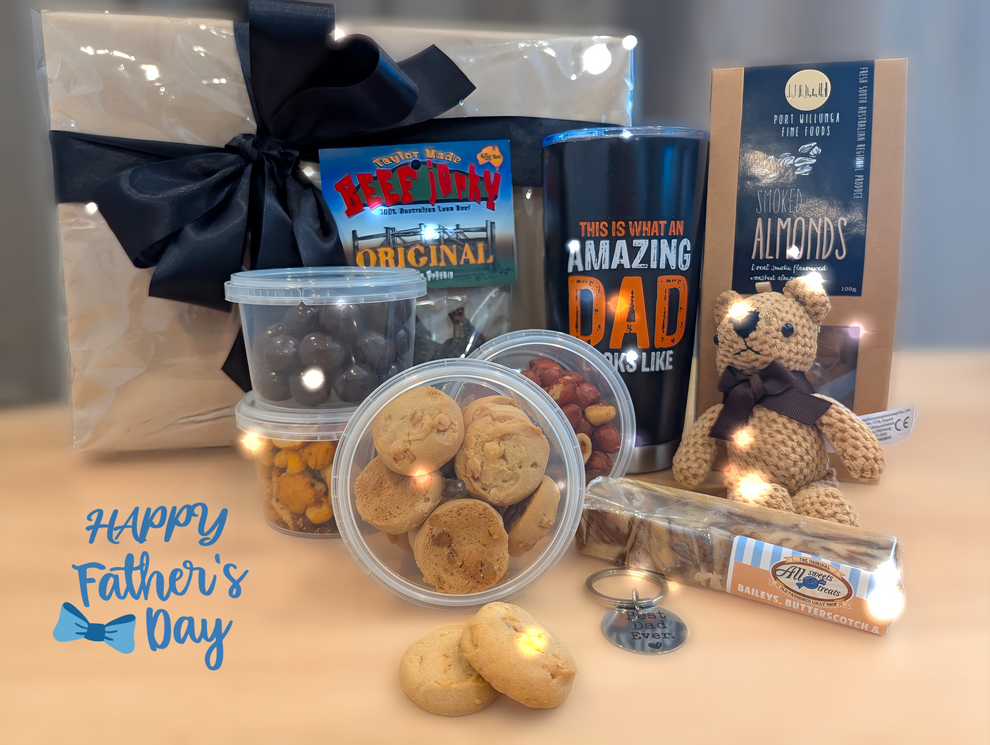
This doesn't mean buying expensive things. It could be a curated box of niche local coffee blends paired with a handwritten recipe card for a favorite family pastry. The thoughtfulness is the currency here. Do you know your recipient loves reading but always complains about bad bookmarks? A set of beautiful, artisan bookmarks becomes an immediate solution and a personal nod to their routine—a perfect blend of utility and affection.
To make this connection explicit, consider incorporating a small "card explanation" next to the gift (which can be read aloud or opened later). This card shouldn't just say "Happy Birthday." It should say: "I got you this because I know how much you love reading in the sunshine, and I hope it reminds you of our trip to Maine." This technique instantly imbues the object with personal history.
Cultivating Joyful Rituals for Future Gatherings
The magic doesn't have to be reserved for holidays. By making gift exchange moments a delightful ritual—whether annual or spontaneous—you build an expectation of warmth and fun for your friends and family. The goal is to establish a pattern where people anticipate the feeling of the gathering, rather than just the date on the calendar.
Think about building these rituals into your existing social life:
- Themed Boxes: Instead of general gifts, create boxes themed around an activity (e.g., "Movie Night Feast," "Tropical Escape Kit").
- Shared Experiences: Make the gift a joint ticket or voucher for something you can do together—a pottery class, concert tickets, or a hike. These memories are infinitely more valuable than any physical object.
If you approach gifting with this mindset—seeing it as an opportunity to generate shared joy and connection—you will find that your efforts not only make the event better but also deepen the bonds within your circle. Start small: next time you give a gift, focus intensely on the three minutes leading up to the reveal. Slow down. Breathe in the moment.
By paying attention to these subtle cues—the lighting, the shared story, the emotional build-up—you prove that the true art of giving is not about what you buy, but how beautifully you orchestrate joy.