How to Make a Gift Feel Personal Without Knowing Them Well: A Modern Guide
Gift-giving is one of life's most complex emotional rituals. We spend hours selecting the perfect item, only to confront the uncomfortable truth that sometimes, we don't actually know the recipient well enough to predict exactly what they want—or even need. The pressure to make a gift feel deeply personal can feel like trying to read someone’s mind with a crystal ball. But please know this: genuine thoughtfulness isn't about having years of shared history; it's about observation, empathy, and making your effort shine through. If you are grappling with the challenge of how to make a gift feel personal without knowing them well, this guide is for you. We will break down strategies that allow you to move beyond generic store-bought items and give something meaningful, even if your relationship is just beginning or purely circumstantial.
The Art of Observation: Mining For Clues in Everyday Life
When deep knowledge is unavailable, we must become keen observers. Think of yourself as a low-stakes detective, gathering evidence from the recipient's routine life rather than their deepest secrets. The goal here isn't to find out if they are secretly planning a move or adopting exotic pets; it’s about finding small, consistent patterns that reveal taste, interest, and comfort level.
Observing Lifestyle Cues (The Environment Audit)
Look at the things surrounding them—the clues left on their desk, in their car, or visible on social media (with appropriate boundaries, of course). These items are like little breadcrumbs pointing toward passion points. Do they always carry a specific type of reusable water bottle? Are there books about gardening stacked by their favorite chair?
Instead of buying them the thing, buy them an experience related to the thing. If you notice Find more info they frequently mention wanting to learn something new, don't gift them another book; perhaps a voucher for a local cooking class or a mixology workshop would be more impactful. These subtle hints are your goldmine.
Remembering Public Details (The Conversation Snapshot)
We often forget that people talk about things in passing—the beloved coffee shop on the corner, the frustration with public transport, the desire to finally read "War and Peace." These casual conversational snippets are far more valuable than a list of favorite colors. Take mental notes. Did they mention their pet's name? Did they complain that their old headphones broke?
Remembering these details shows you were truly listening. As one quote suggests: "The best gifts are those that remind someone who they are, not just what they own." A gift linked to a recent conversation snippet acts as an emotional anchor, proving your attention was paid. It is a powerful way of demonstrating care and effort, making the recipient feel seen—and this is key to knowing how to make a gift feel personal without knowing them well.
Shifting Focus: The Power of Universal Experiences
Sometimes, the person you are gifting simply doesn't give up enough clues, or perhaps they guard their passions closely. In these cases, attempting to psychoanalyze them is like chasing smoke; it’s exhausting and often fruitless. Instead, change your strategy entirely by focusing on gifts that appeal universally, but with a specific twist of thoughtfulness.
Curated Collections Over Single Items (The "Tasting Menu" Approach)
A single expensive item can sometimes feel overwhelming or too niche. A curated collection—a "tasting menu" of goods—is often safer and more fun. Instead of buying one fancy candle, gather three small candles with distinct scents that evoke different moods: relaxation, energy, and warmth. This approach says, "I thought about your mood on Monday, Wednesday, and Friday."
When assembling a collection, focus on quality pairings or complementary items. For example, pair an artisanal tea blend with a beautiful, high-quality bookmark and a small tin of shortbread cookies. The overall presentation elevates the gift from mere objects to a thoughtful moment.
Experiences That Don't Require Deep Knowledge (The Shared Activity)
Experiences are often the safest bet because they bypass the need for intimate knowledge entirely. They create shared memories, which is what truly makes a gift feel personal. Consider:
- Tickets to a local museum exhibit or gallery showing.
- A donation in their name to a cause they vaguely care about (e.g., animal welfare).
- A voucher for a picnic basket setup at a beautiful park on a nice afternoon.
If you are struggling with how to make a gift feel personal without knowing them well, remember that shared time is the most valuable currency, and an experience represents a guaranteed shared moment of joy.
The Delivery Matters: Elevating Presentation to Art Form
The physical item itself is only half the equation; the packaging and presentation complete the magic. This step is your chance to pour all your effort into something tangible that costs very little but gains exponential emotional value.
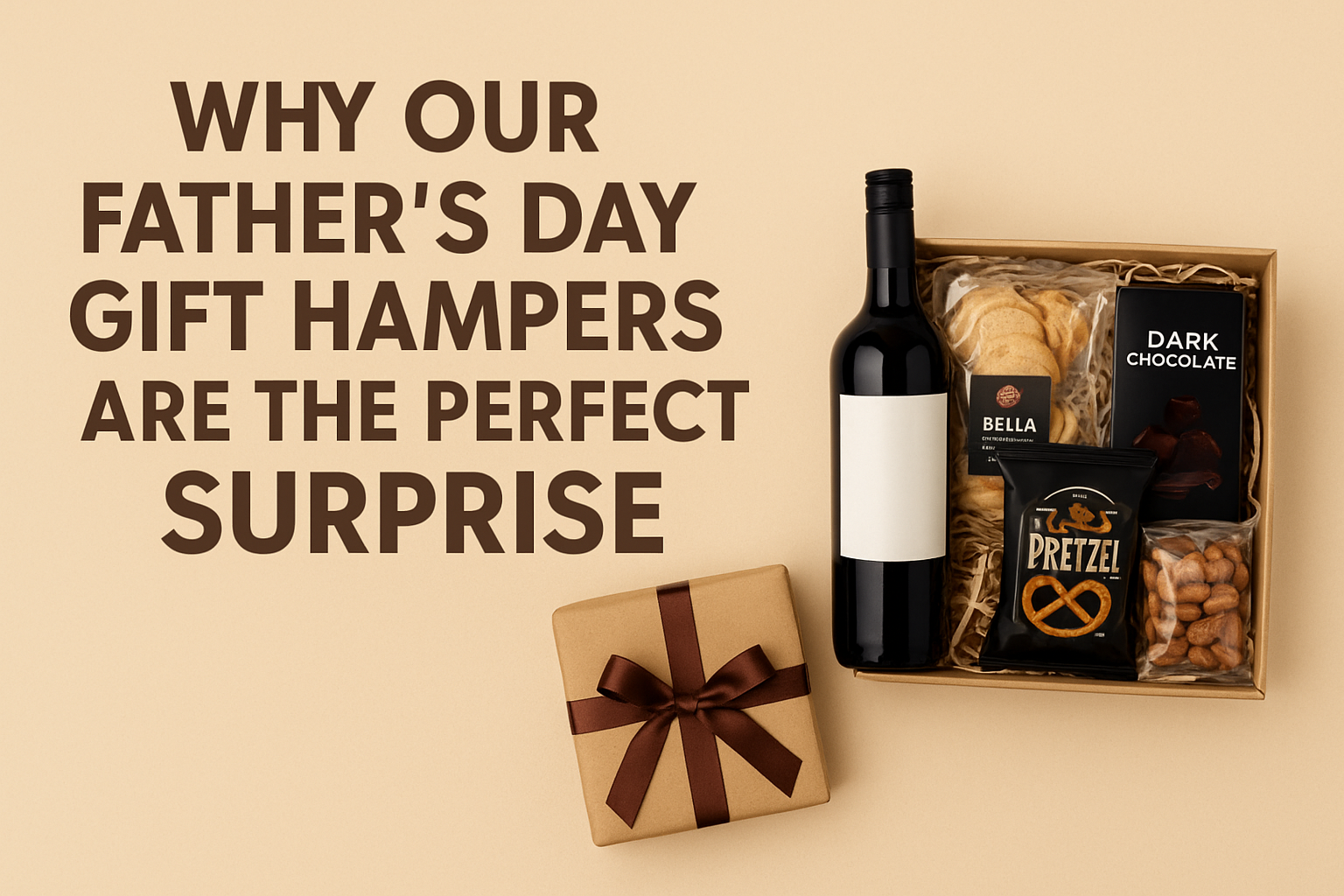
Writing the Narrative (The Handwritten Connection)
Never underestimate the power of a handwritten card. Do not write generic filler phrases like, "Hope you love this!" Instead, build a miniature narrative around the gift and the recipient. Connect the item back to your observations.
For example: “I know how much you enjoy that quiet time with a good book (referencing their environment audit). I thought this candle would create the perfect ambiance for those rainy afternoon chapters.” This small nod of connection proves you paid attention, transforming a simple object into a deeply considered gesture.
The Metaphorical Touch: Effort as the Gift Itself
If all else fails—if you truly have no clues and nothing to reference—let your effort be the gift. Take on a task for them that requires planning or time, such as organizing a small outing for friends, making a personalized playlist of songs based on vague memories, or compiling a photo album of shared moments (even if those moments were just attending the same class).
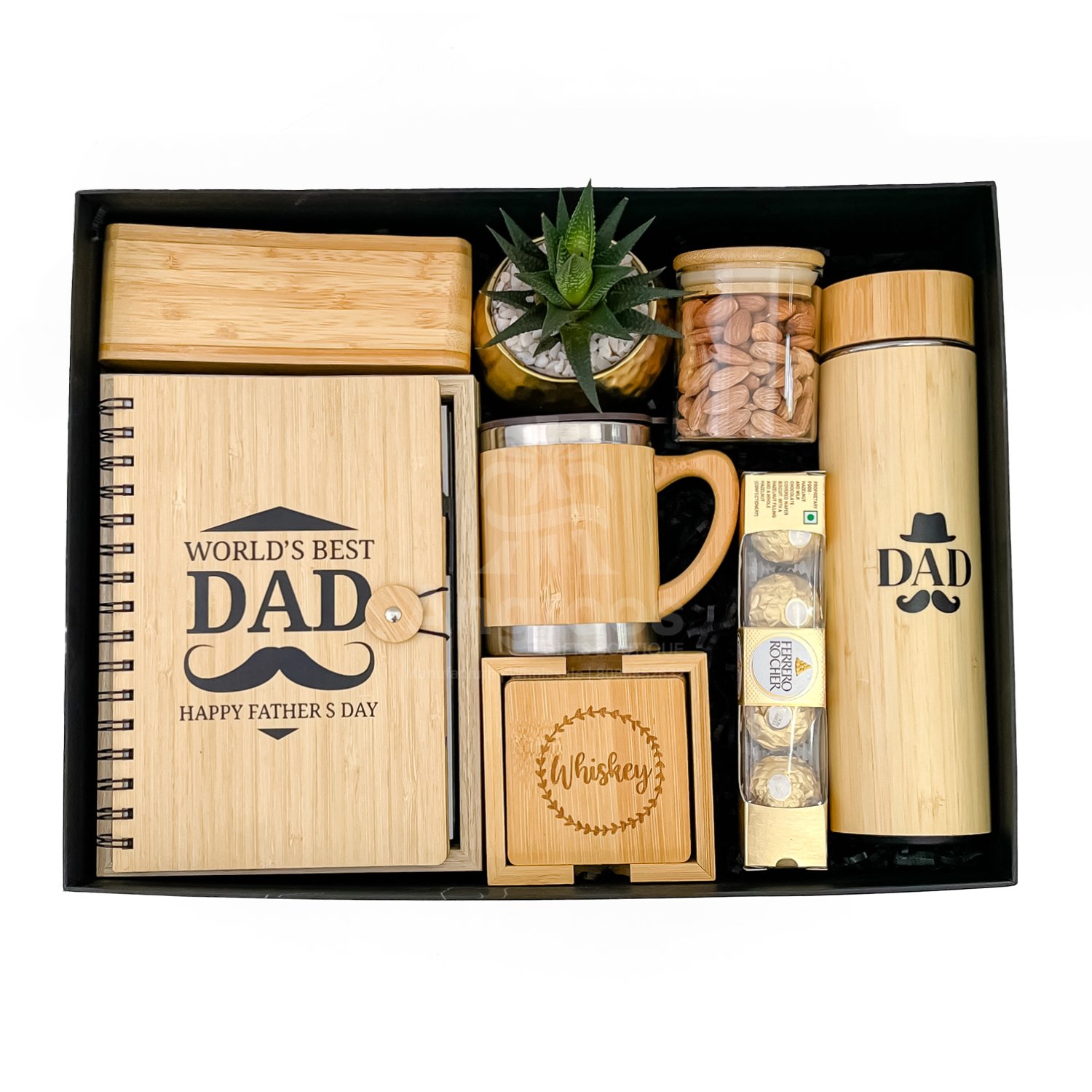
A beautifully assembled care package, complete with notes explaining why you chose each item and how it relates to something they mentioned, is often more moving than any object purchased. It sends the message: "I thought about you." This https://beckettymok784.scriblorax.com/posts/elevating-the-gift-game-the-ultimate-guide-to-unique-gourmet-charcuterie-gift-baskets-for-men simple sentiment can illuminate everything else.
Crafting Meaningful Connections Moving Forward
Ultimately, gifting should not feel like an academic test of friendship longevity. It should be an act of joy and acknowledgment. By shifting your focus from knowing their deepest history to celebrating their observable present—their routine, their interests, the things they mention in passing—you can master the delicate art of how to make a gift feel personal without knowing them well.
The perfect gift doesn't require encyclopedic knowledge; it requires mindful empathy. When you approach gifting as an act of genuine observation rather than a transaction, your thoughtfulness will shine through, making any selection feel uniquely heartfelt and deeply appreciated. Start paying attention to the small details today, and watch how effortlessly those thoughtful gestures begin to appear in your life.